

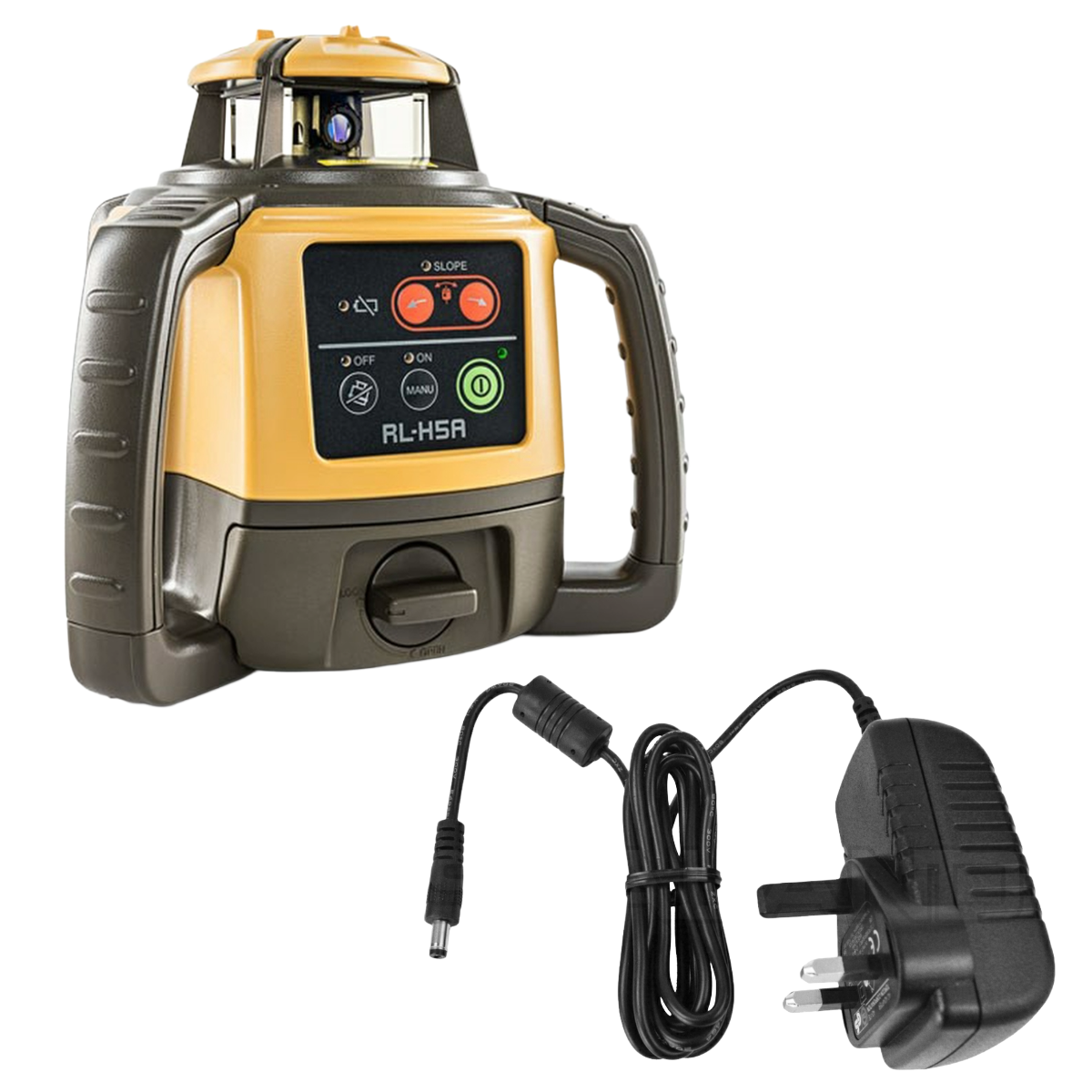
The original charger gets lost, damaged or left on another site.
Someone finds another charger with a plug that fits the laser and connects it.
That can be an expensive mistake.
A charger can physically fit a laser while still being electrically unsuitable for it.
Our technicians see the consequences of incorrect chargers and unsuitable power supplies in the workshop, including overheated battery packs, melted plastics and damaged electronics.
The simple rule is: if you are not sure the charger is correct for the laser, do not plug it in.
What can the wrong charger do to a laser?
The damage is not always limited to the battery.
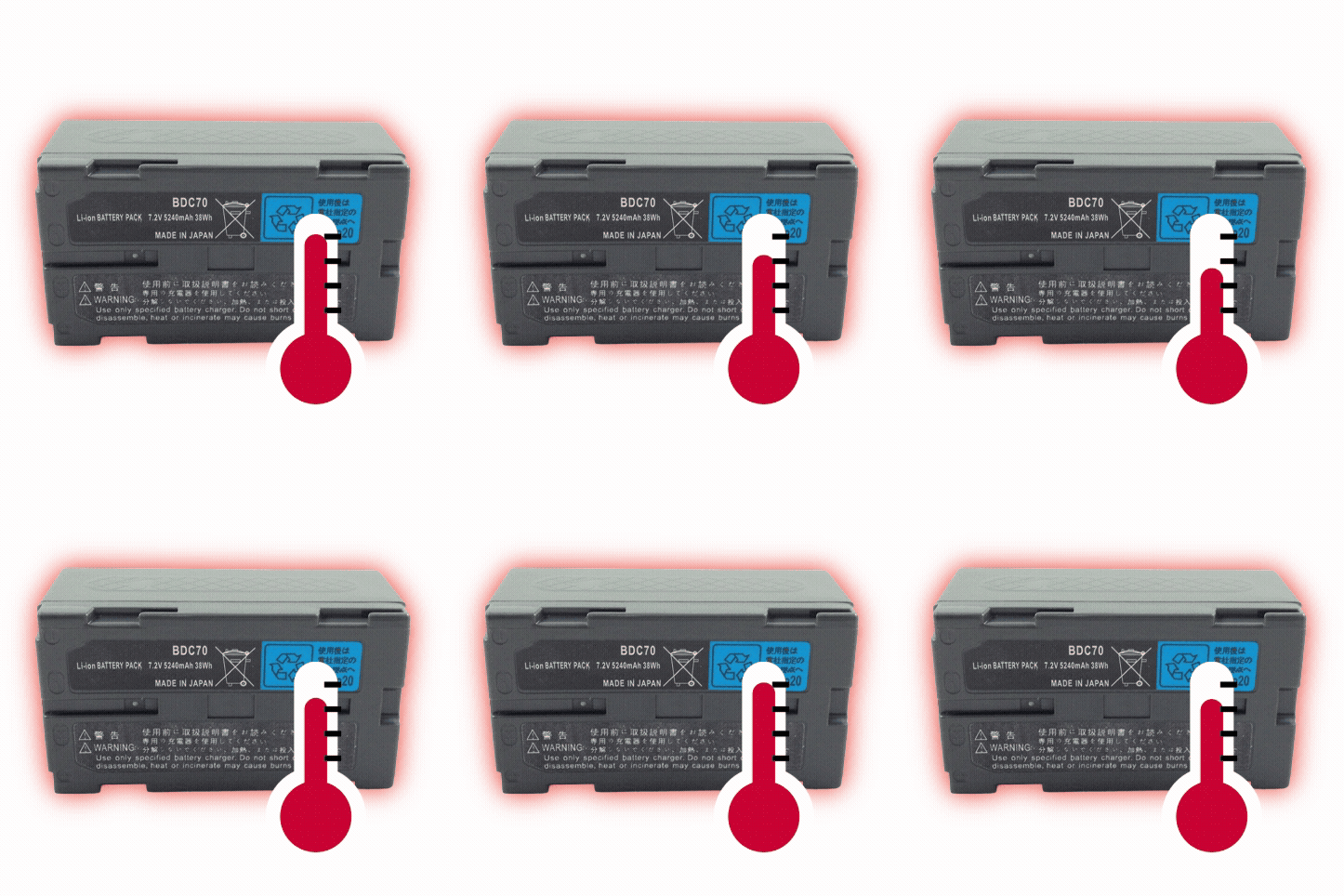
Battery overheating
Battery packs can become excessively hot.
In serious cases, we see battery housings and surrounding plastics melted, distorted or fused together.
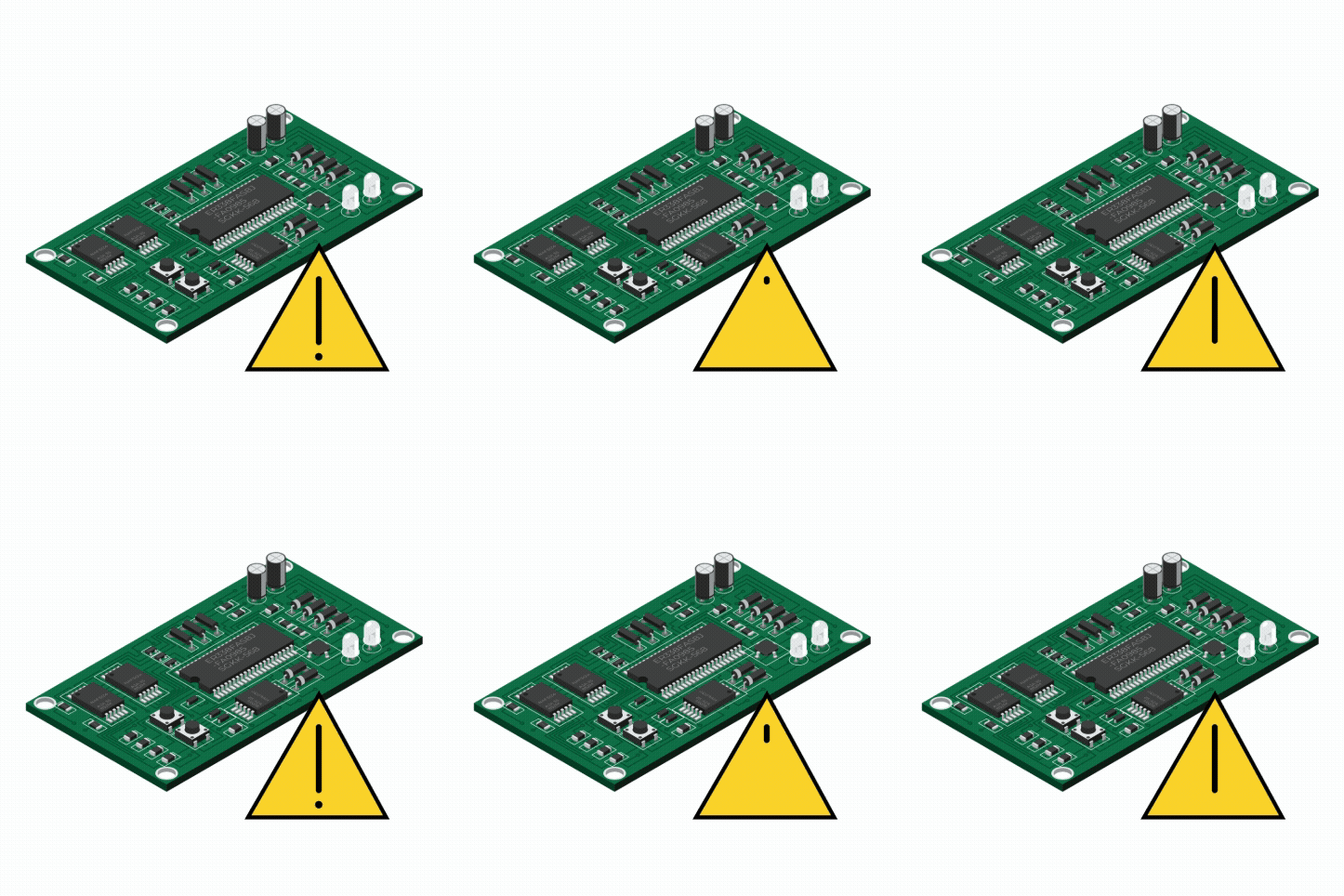
Circuit board damage
An unsuitable charger can damage the laser's internal electronics.
That can turn a simple charger problem into a much more involved electronic repair.
Fire risk
Severe battery overheating or failure can present a potential fire or hazardous battery failure risk.
A battery showing obvious signs of failure should not continue to be charged.
If a battery becomes unusually hot, starts swelling, smells unusual, smokes or shows obvious heat damage, stop using the equipment.
Do not continue trying different chargers to see whether the laser starts working again.
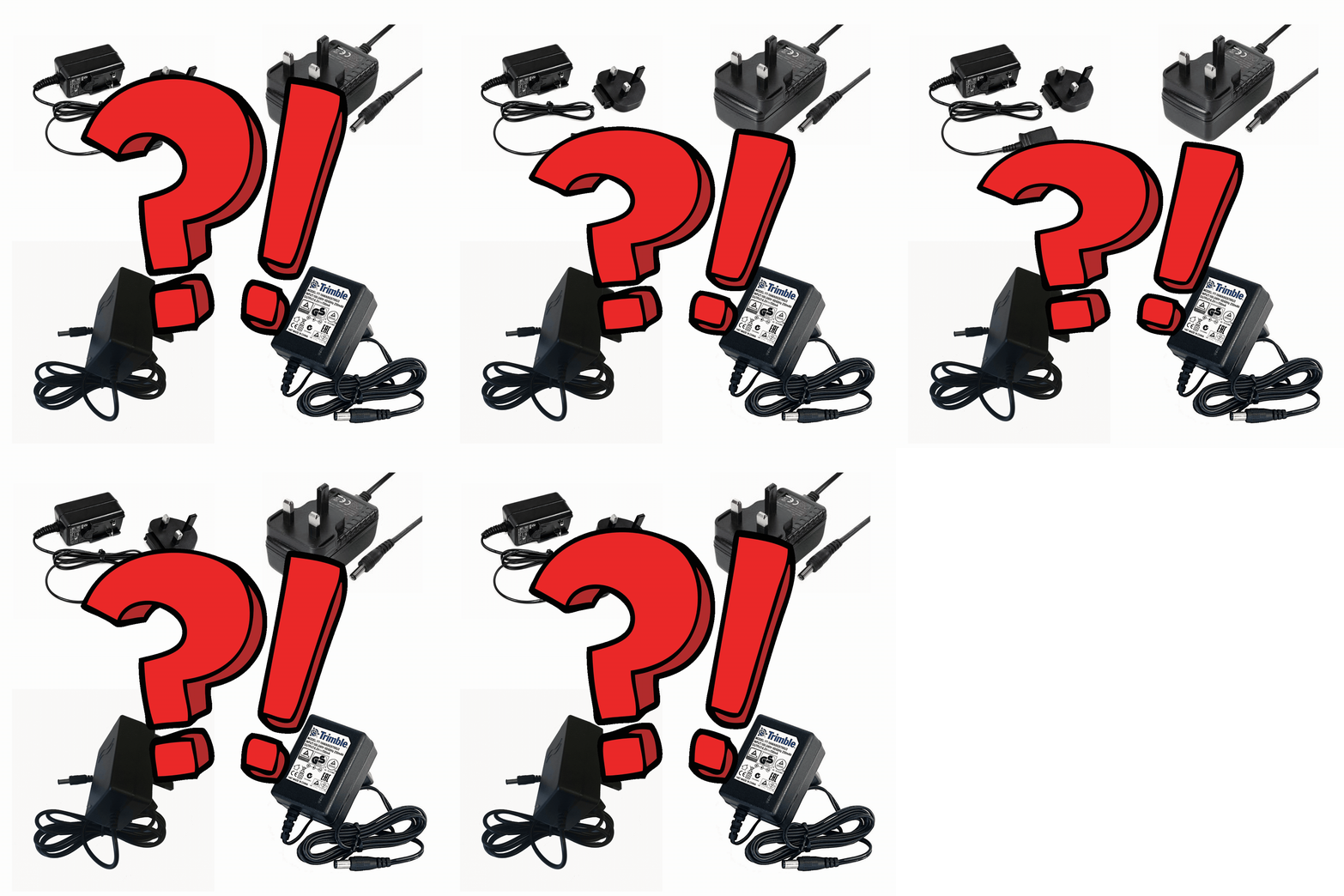 Why does it matter if the plug fits?
Because the connector is only one part of the charger.
Two chargers can have plugs that look identical while supplying power differently.
The laser's battery and charging circuitry are designed around a particular power supply.
A matching plug does not prove that the charger is compatible.
If the original charger is missing, identify the exact make and model of the laser and use a charger specified or confirmed as suitable for that equipment.
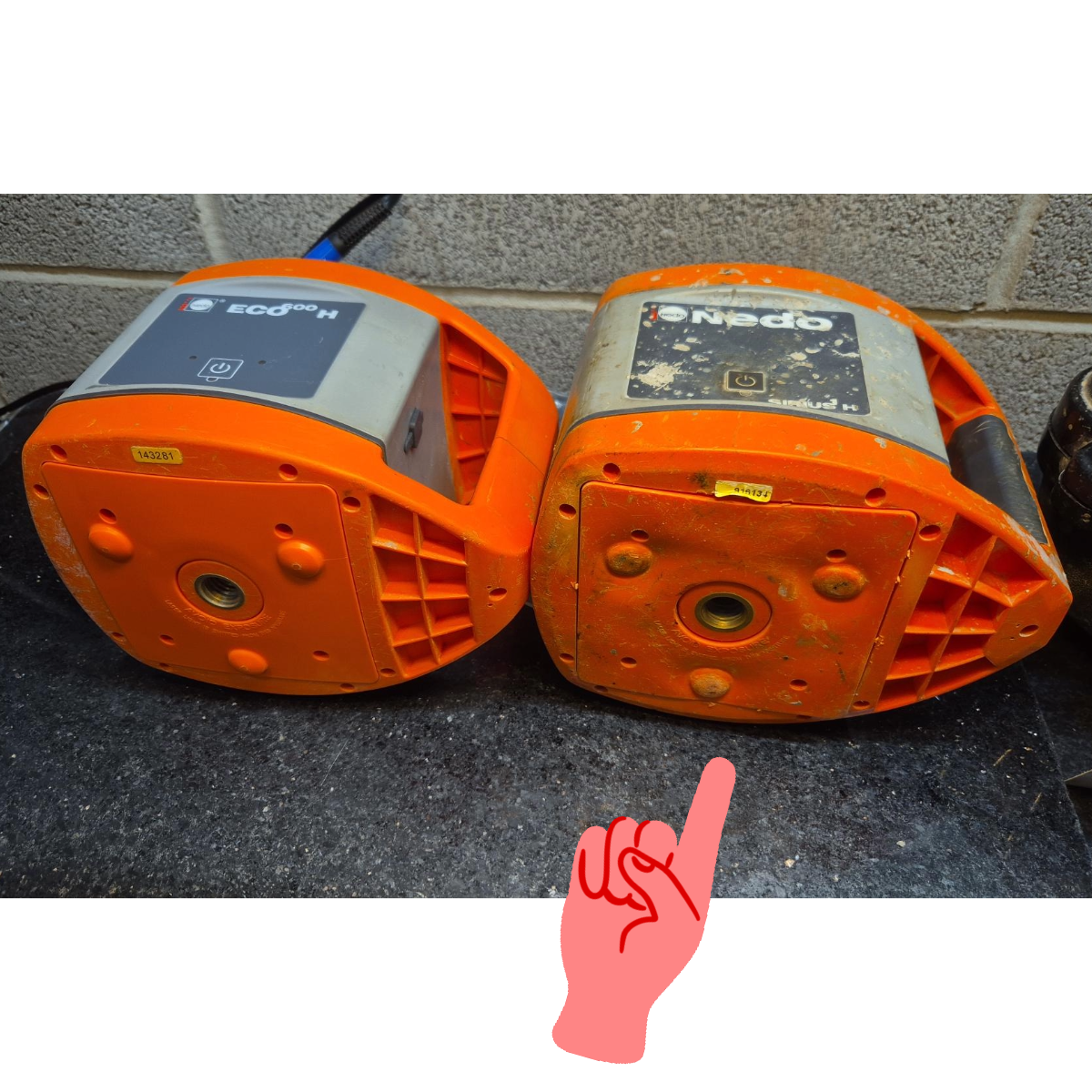 What does an overheated laser battery look like?
Heat damage can be very obvious by the time the laser reaches the workshop.
Our technicians can see:
- Melted battery casings
- Distorted plastic
- Battery packs fused into surrounding plastic
- Heat damage around the battery compartment
- Damage to nearby components
At that point, replacing the charger alone will not solve the problem.
The battery and surrounding components may also need to be inspected or replaced.
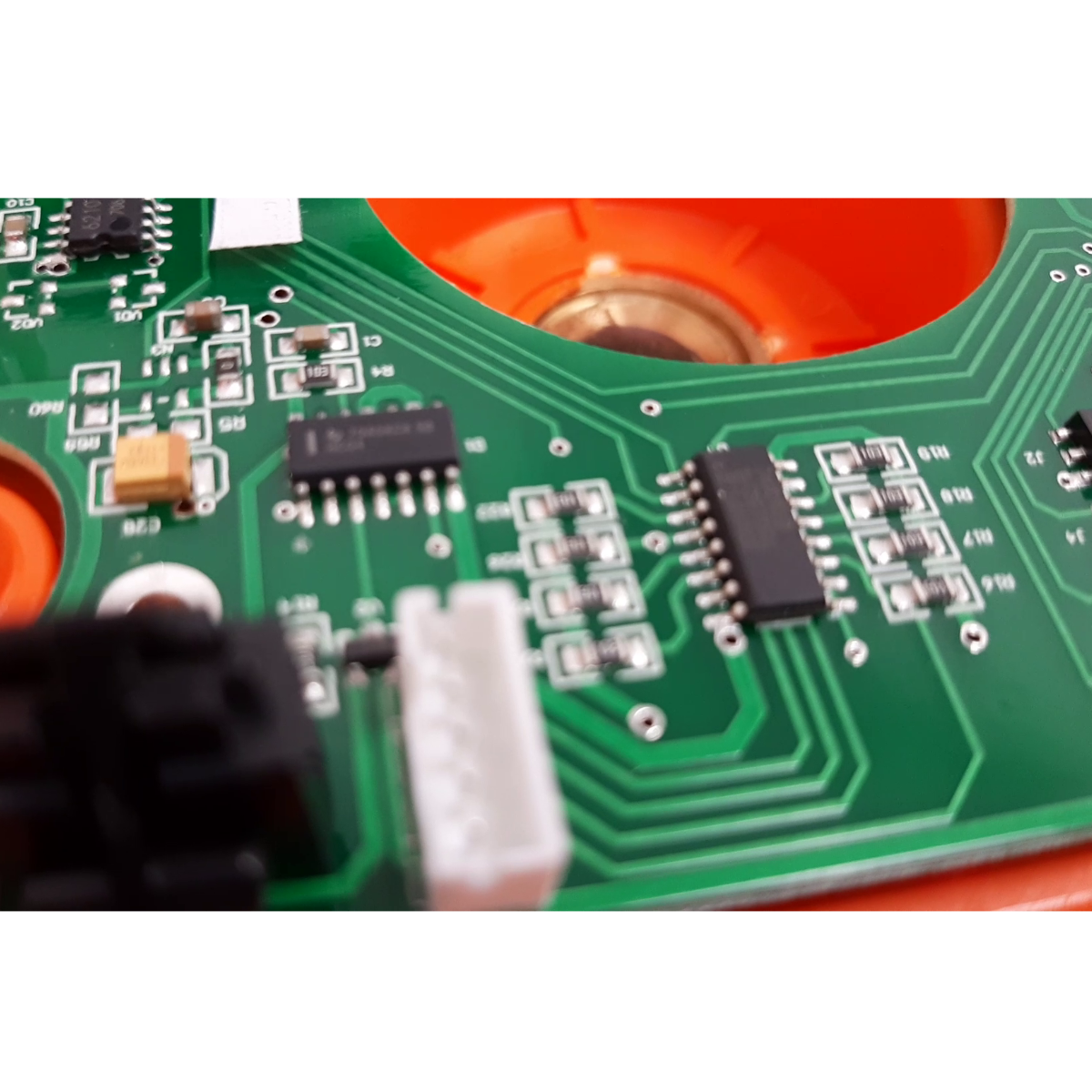 Can the wrong charger damage the circuit board?
Yes.
The battery is not necessarily the only component exposed when an unsuitable charger is connected.
Damage can also occur to the electronic circuitry inside the laser.
A laser with charging-related circuit damage may:
- Stop charging
- Fail to switch on
- Operate intermittently
- Appear completely dead
This is why repeatedly trying different chargers can make a relatively simple problem more expensive.
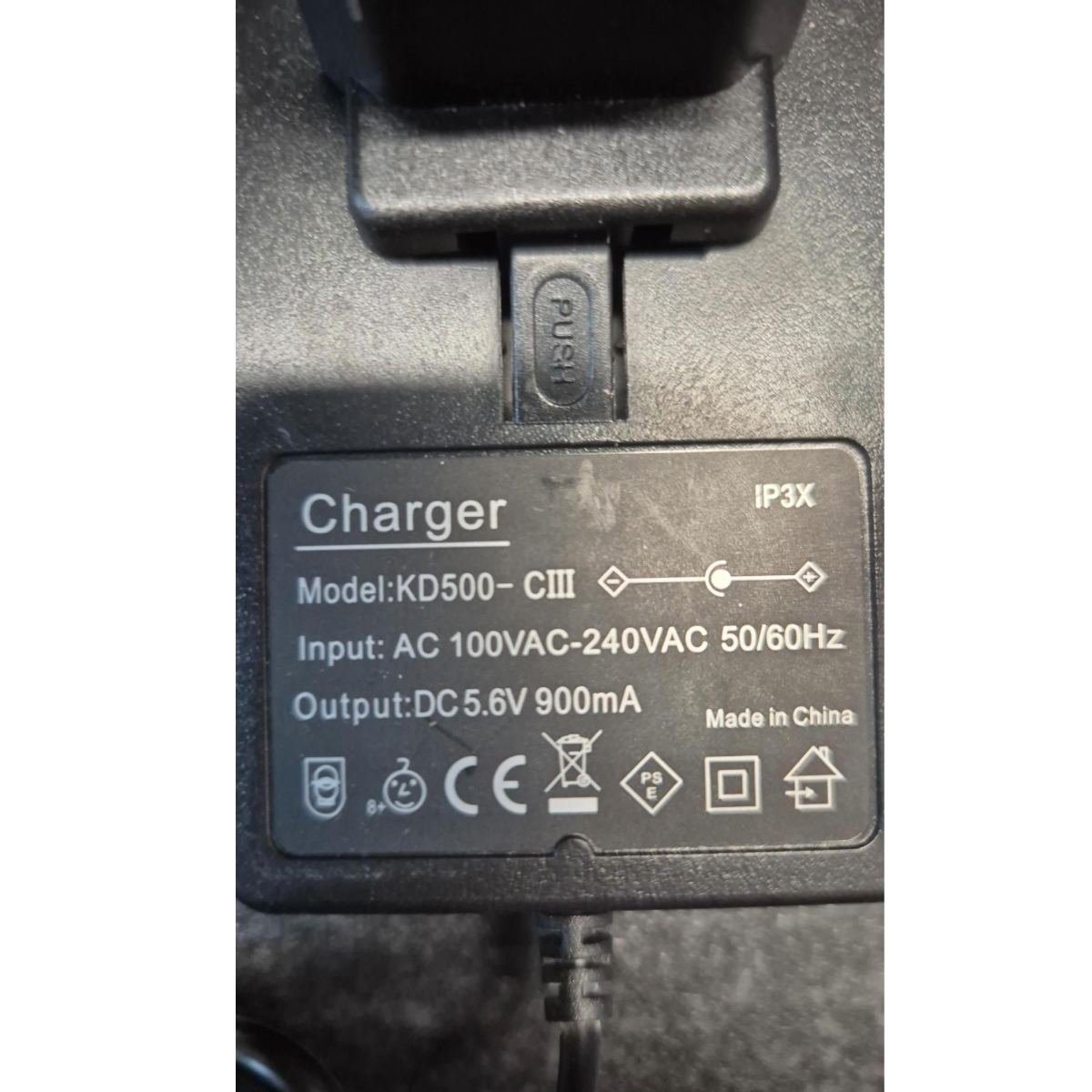 What electrical details make chargers different?
Depending on the equipment, charger compatibility can involve more than the connector itself.
Relevant factors can include:
- Output voltage
- Output current
- Polarity
- Connector type
- Battery type
- Charging method
- Manufacturer-specific charging requirements
You do not need to work through all of these technical details yourself.
The safest approach is to identify the exact laser model and use a charger that is specified or confirmed as compatible with it.
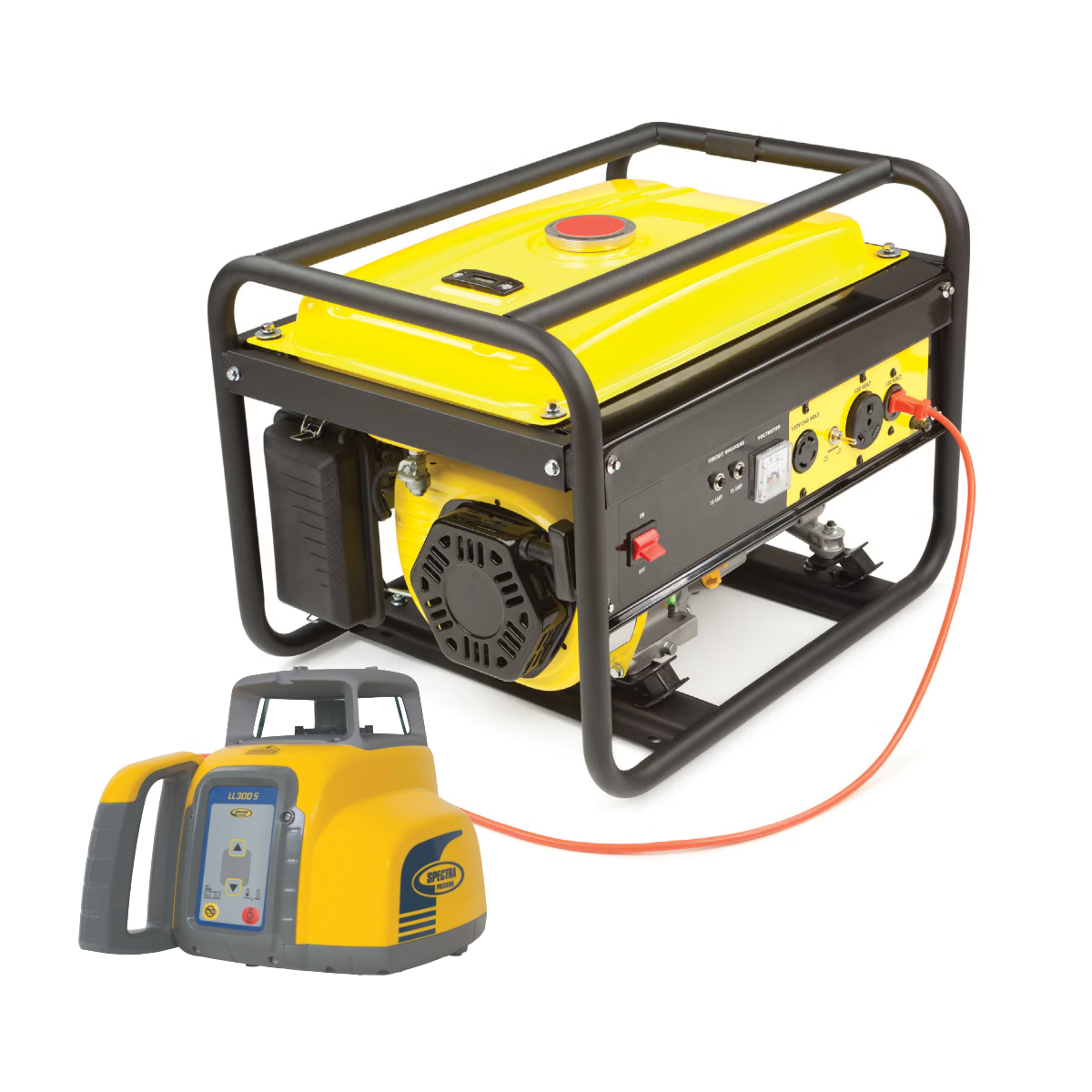 Charging a laser from a generator can also cause damage
This is another problem our technicians see on construction sites.
Permanent mains power may not be available, so the laser charger gets plugged into a generator.
The issue is not simply the fact that a generator is being used.
The concern is the quality and stability of the electrical supply reaching the charger and laser.
Voltage fluctuations or power surges from an unsuitable or unstable supply can potentially damage:
- The laser battery
- The charging circuit
- The circuit board
- Other internal electronic components
Site power is not automatically suitable for sensitive electronic equipment.
If a laser needs to be charged from temporary power or a generator, follow the equipment manufacturer's power requirements and make sure the supply is suitable for the charger being used.
The laser worked before it was charged from a generator
If a laser stops charging, will not switch on or develops a fault after being connected to generator power, the charging system and internal electronics may need to be inspected.
Do not assume that the battery simply needs another charger.
If the fault was caused by an electrical surge or unstable supply, continuing to connect different power supplies could make the situation worse.
Can I use an extension lead from the generator?
An extension lead does not itself confirm that the electrical supply is suitable for the laser charger.
The important issue remains the power reaching the charger and whether it meets the equipment manufacturer's requirements.
If there is uncertainty about temporary site power, check before connecting sensitive surveying equipment.
 What should you do if the original charger is missing?
Do not start by looking for another plug that happens to fit.
- Identify the exact make and model of the laser.
- Find the charger specified for that model.
- Check the manufacturer's information where available.
- Use a confirmed compatible replacement.
- If you are unsure, ask before plugging it in.
If you have several lasers, levels, receivers and other rechargeable equipment in the same store or van, it is also worth labelling the chargers.
A simple label showing the equipment make and model can prevent the wrong charger being used months later.
 Already used the wrong charger?
Stop using the suspect charger.
If the laser appears normal, identify the correct charger before using it again.
If the laser has developed a fault, do not keep experimenting.
| What you notice | What to do |
|---|---|
| Battery becomes unusually hot | Stop charging and inspect the equipment before further use |
| Plastic around the battery is distorted or melted | Do not continue using or charging the laser |
| Laser will not charge | Stop trying alternative chargers and have the charging system checked |
| Laser will not switch on | The battery or internal electronics may have been damaged |
| Unusual smell, swelling or smoke | Stop using the equipment and follow the manufacturer's battery safety guidance |
| Fault appeared after generator charging | Have the battery, charging circuit and internal electronics inspected |
Quick charger checklist
Before plugging a charger into a laser, check:
- Is this charger intended for this laser?
- Have I checked the exact make and model?
- Is it a confirmed compatible replacement?
- Am I choosing it because it is correct, rather than because the plug fits?
- Does the battery show any sign of overheating or damage?
- Am I using a suitable electrical supply?
- If charging from a generator, is the supply suitable for the equipment?
If there is any doubt, check before connecting it.
 A cheap shortcut can become an expensive repair
Borrowing another charger can seem harmless when a laser is needed immediately on site.
But our technicians see what can happen afterwards:
- Overheated battery packs
- Melted and fused plastics
- Damaged circuit boards
- Lasers that no longer charge
- Lasers that no longer switch on
The safest option is also the simplest:
Use the correct charger and a suitable power supply.
If your laser has stopped charging or working after the wrong charger or generator power has been used, Design & Survey can inspect the equipment and advise on the next step.
Frequently Asked Questions
Can I use another charger if the plug fits my laser?
Not necessarily.
Two chargers can have identical-looking connectors while supplying power differently.
Use the charger specified for the laser or a replacement confirmed as compatible.
Can the wrong charger overheat a laser battery?
Yes.
Our technicians see battery packs that have overheated badly enough to melt or fuse with surrounding plastics.
If a battery becomes excessively hot or physically distorted, stop using it.
Can the wrong charger damage the laser itself?
Yes.
Damage is not necessarily limited to the battery.
An unsuitable charger can also damage charging circuitry or the laser's internal circuit board.
Can charging a laser from a generator damage it?
It can if the electrical supply reaching the charger is unstable or unsuitable.
Voltage fluctuations or surges can potentially damage the battery, charging system or internal electronics.
Follow the equipment manufacturer's power requirements when using temporary site power.
What should I do if I have lost my laser charger?
Identify the exact make and model of the laser and obtain the charger specified or confirmed as compatible with it.
Do not choose a charger simply because the connector fits.
Should I have the laser checked after using the wrong charger?
If the laser will not charge, will not switch on, becomes excessively hot or behaves differently after an unsuitable charger has been connected, stop using it and have it inspected.
Need help with a laser charger or charging fault?
If you are not sure which charger your laser requires, or the equipment has stopped working after being connected to another charger or generator supply, speak to us before trying another power source.