

Surveying in the Heat: What to Watch Out For on Site
Posted on: 10/06/2026
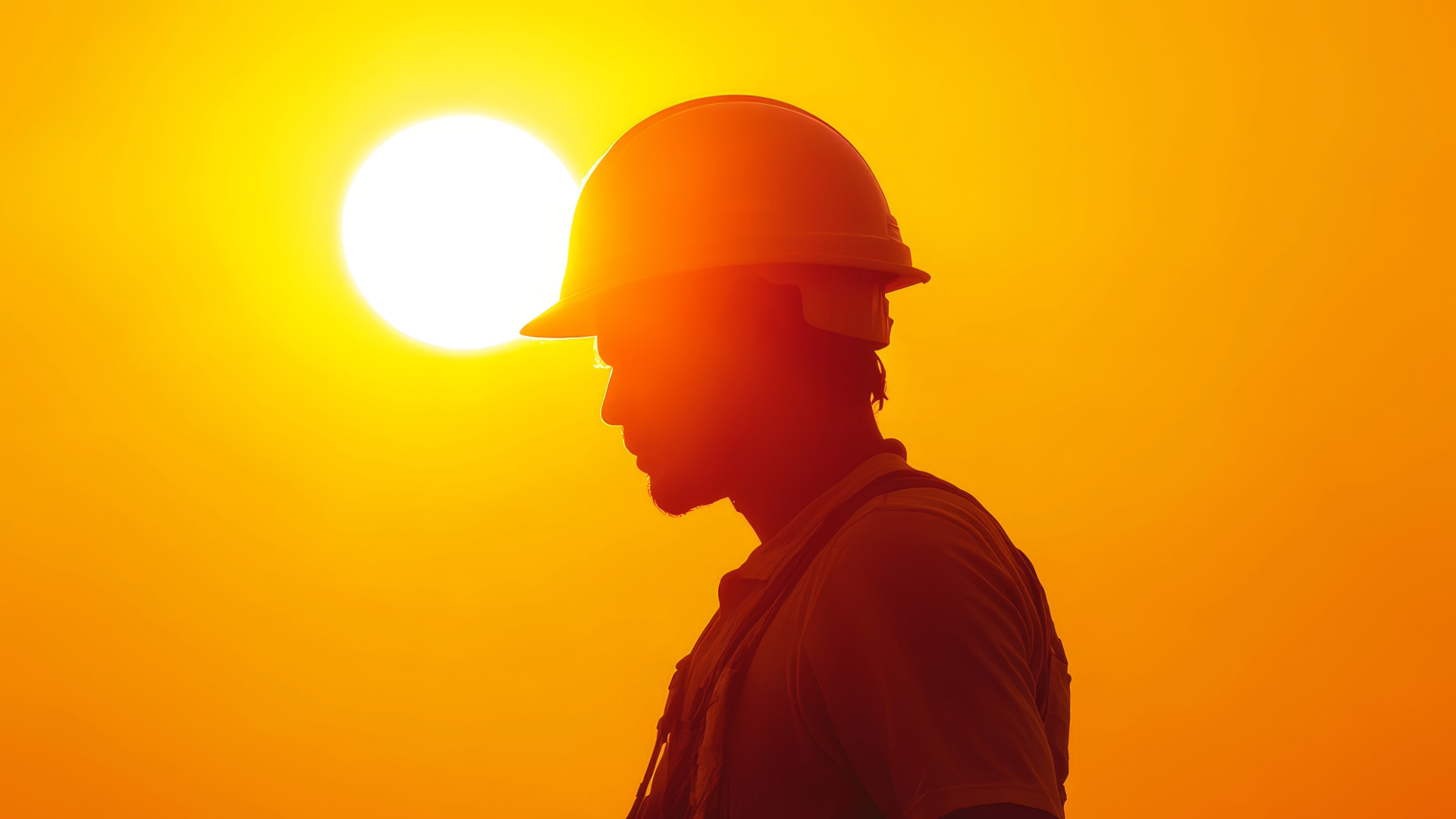 Hot weather might seem ideal for surveying work compared to rain and mud, but heat can create its own problems on site.
 Surveying relies on precision. Instruments measure angles, distances, levels, and coordinates based on stable environmental conditions. When temperatures rise, the atmosphere itself can start affecting those measurements.
From distorted measurements to overheated equipment and tired crews, summer conditions can quietly affect accuracy, programme, and decision-making.
Let's discuss the main issues:
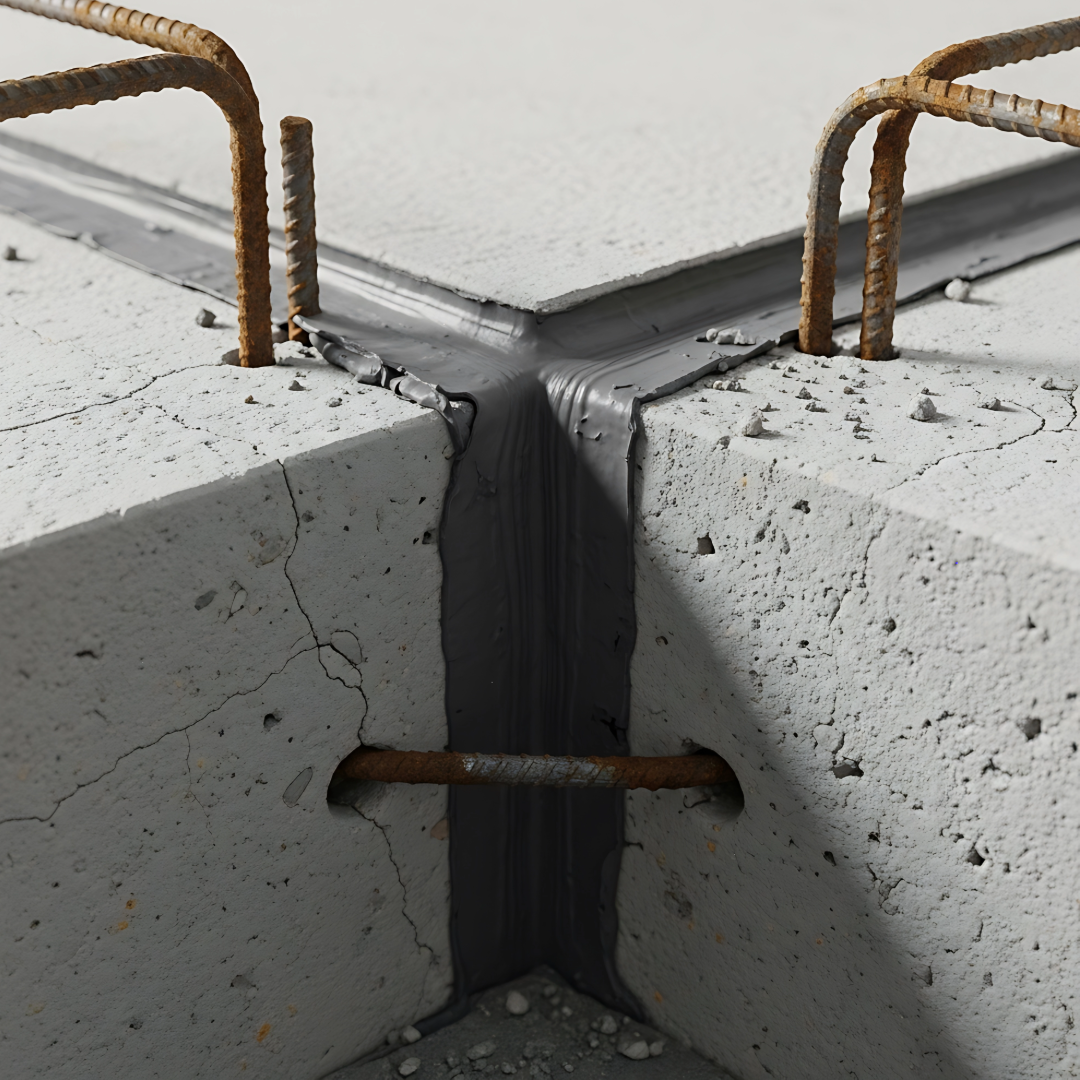 Thermal Expansion
One of the biggest issues is thermal movement.
Materials expand when heated. That includes:
- steel pins
- rails
- concrete slabs
- survey tripods
- site structures
Even small expansion changes can affect high-precision work. On large sites, this becomes more noticeable where long sight lines or repeated measurements are involved.
 Heat Shimmer and Line-of-Sight Problems
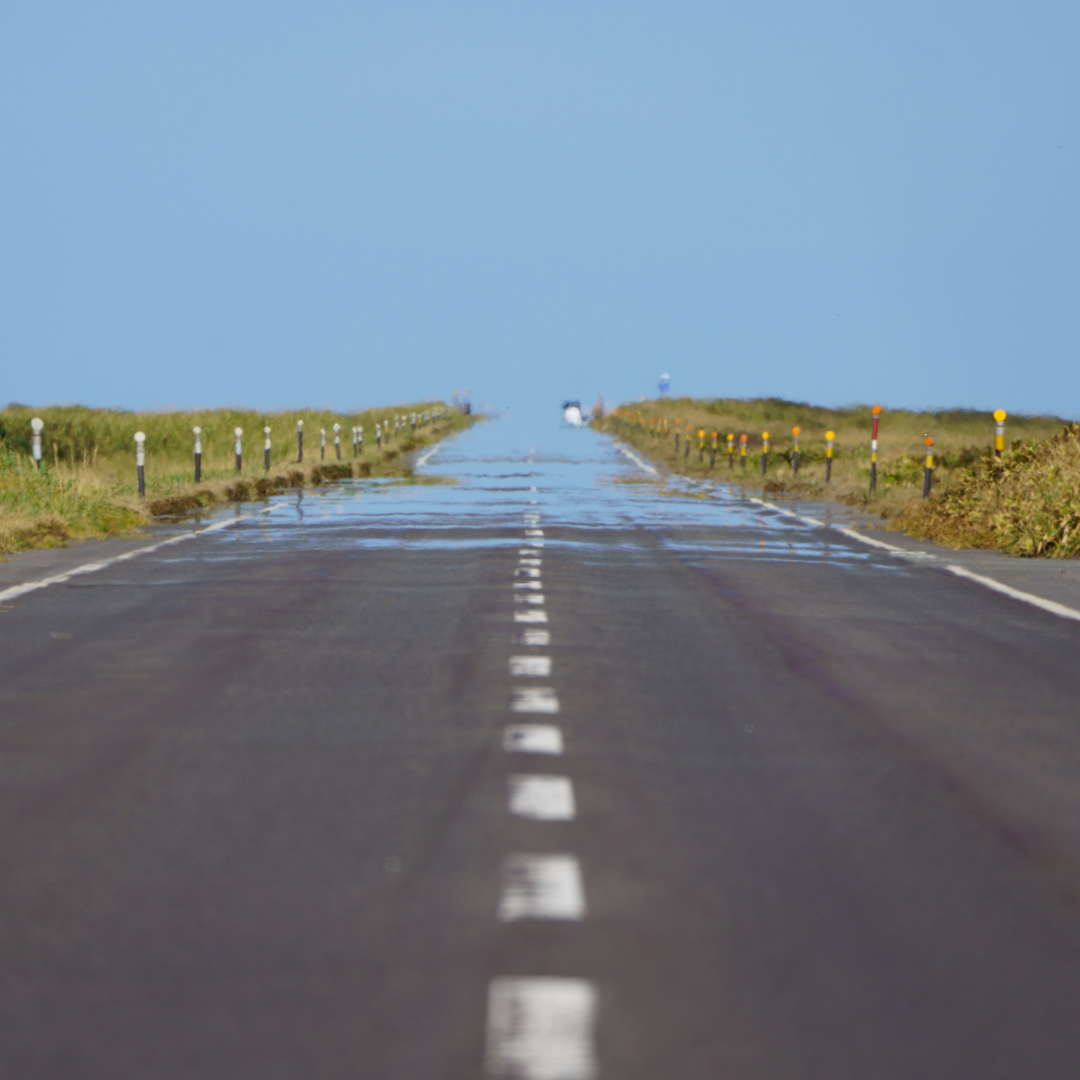
Most surveyors have experienced heat shimmer on a hot afternoon.
This happens when rising heat causes air density changes between the instrument and the target. The result is a visible shimmer or mirage effect that can distort readings.
In practical terms:
- heat shimmer can cause a laser beam to refract (bounce around) giving faulty readings on a laser receiver
- prisms can appear to move slightly
- level staffs become harder to read clearly
- long-distance measurements become less reliable
- automatic targeting systems can struggle
This is usually worse on:
- freshly laid tarmac
- concrete slabs
- dry stone surfaces
- open ground with no shade
The longer the sight distance, the greater the potential distortion.
That is why many survey teams prefer critical measurements early in the morning before the ground heats up.
 Equipment Performance in High Temperatures
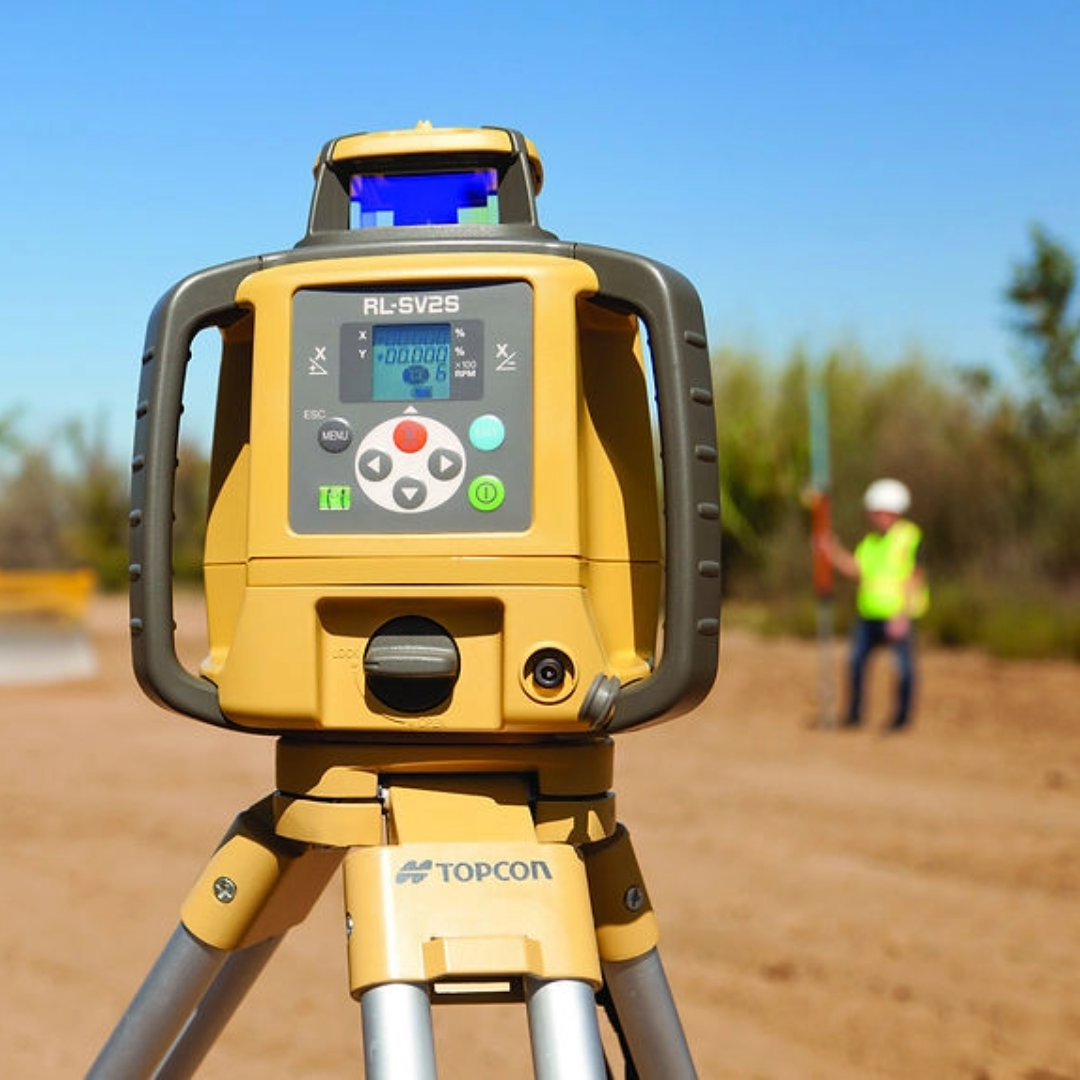
Most modern surveying and measurement equipment is designed for outdoor use, but excessive heat can still affect performance and reliability.
High temperatures may cause:
- slower processing speeds
- screen visibility problems in direct sunlight
- overheating warnings or automatic shutdowns
- reduced battery efficiency and shorter operating times
- temporary accuracy or calibration drift
Leaving equipment exposed to direct sunlight for extended periods can quickly raise internal temperatures, especially during summer site work.
Battery-powered equipment is particularly affected, as heat accelerates battery drain and reduces overall operating efficiency.
 Site Safety and Crew Fatigue
Accuracy is not the only concern.
Hot weather increases fatigue and reduces concentration. That matters because surveying is detail-based work.
In high temperatures, productivity can also slow down significantly during afternoon periods.
Hydration, breaks, and realistic programme expectations become important site management issues, not just welfare considerations.
Best Practices for Summer Surveying
Experienced survey teams usually adapt their workflow during hotter periods.Schedule Critical Work Early
Morning conditions is often the best time for:
• site control
• high-accuracy setting out
• level runs
• verification checks
 Reduce Long Sight Distances
Breaking measurements into shorter setups can help reduce atmospheric distortion.
Protect Equipment
Keep instruments:
• shaded where possible
• stored properly between setups
• away from vehicle dashboards or enclosed hot cabins
Check Control More Frequently
On major projects, additional verification checks can catch issues before they spread across the site.
Allow for Realistic Productivity
Heat slows physical work and affects concentration. Rushed surveying usually creates rework later.