

Power Tool Lasers vs Professional Laser Brands: What’s the Difference?
Posted on: 08/06/2026
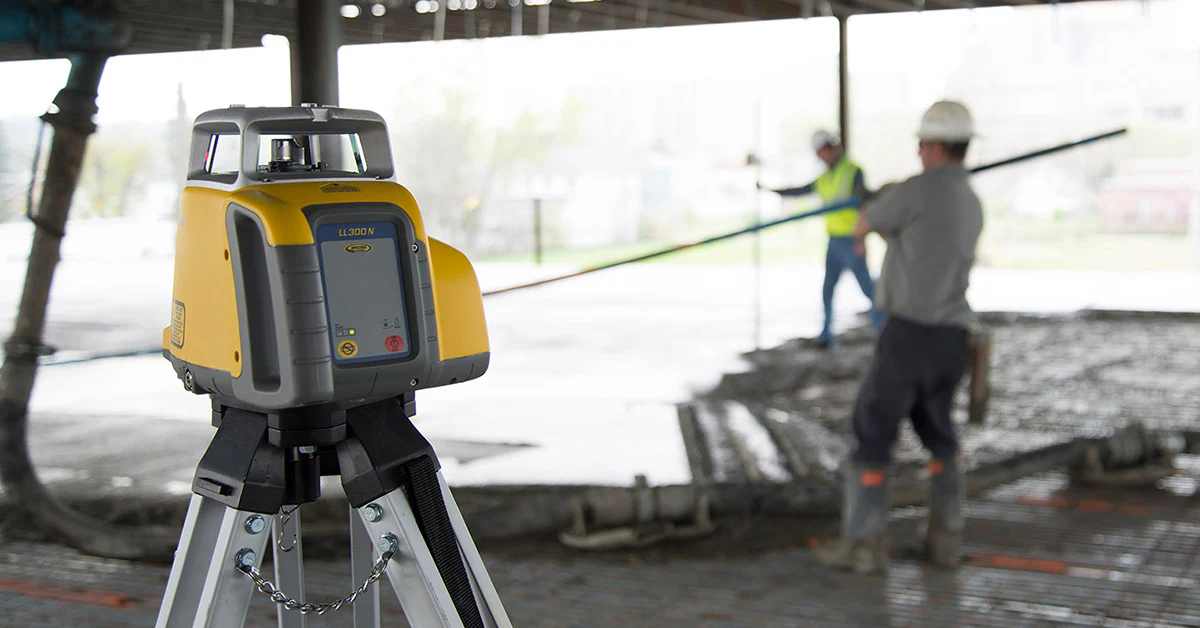 Laser levels are everywhere on modern construction sites now. From small residential extensions to large commercial builds, they’ve become standard kit for setting levels, partitions, ceilings, drainage, groundwork, and general layout work.
But there’s a big difference between a laser designed mainly for tradespeople and one built specifically for surveying, engineering, or high-precision construction work.
On the surface, they can look very similar. Both project lines. Both self-level. Both claim accuracy. But in real site conditions, the differences usually appear when distance, tolerances, coordination, and programme pressure start to matter.
Let's look at them together:
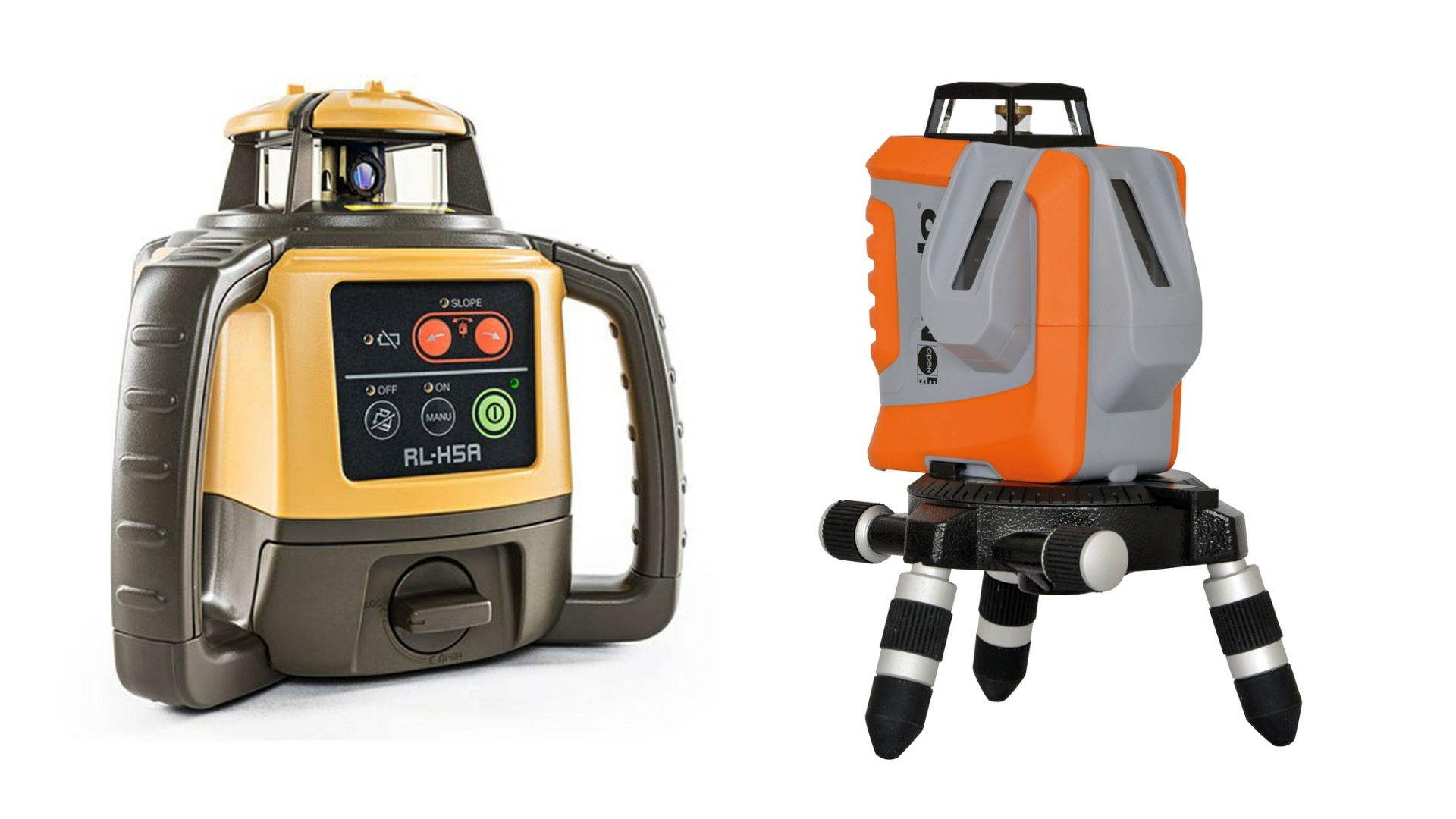
| Power Tool Lasers | Professional Laser Brands |
|---|---|
|
|
Brands Include:
|
Advantages:
|
Advantages:
|
Disadvantages:
|
Disadvantages:
|
|
Suitable For:
 |
Suitable For:
|
|
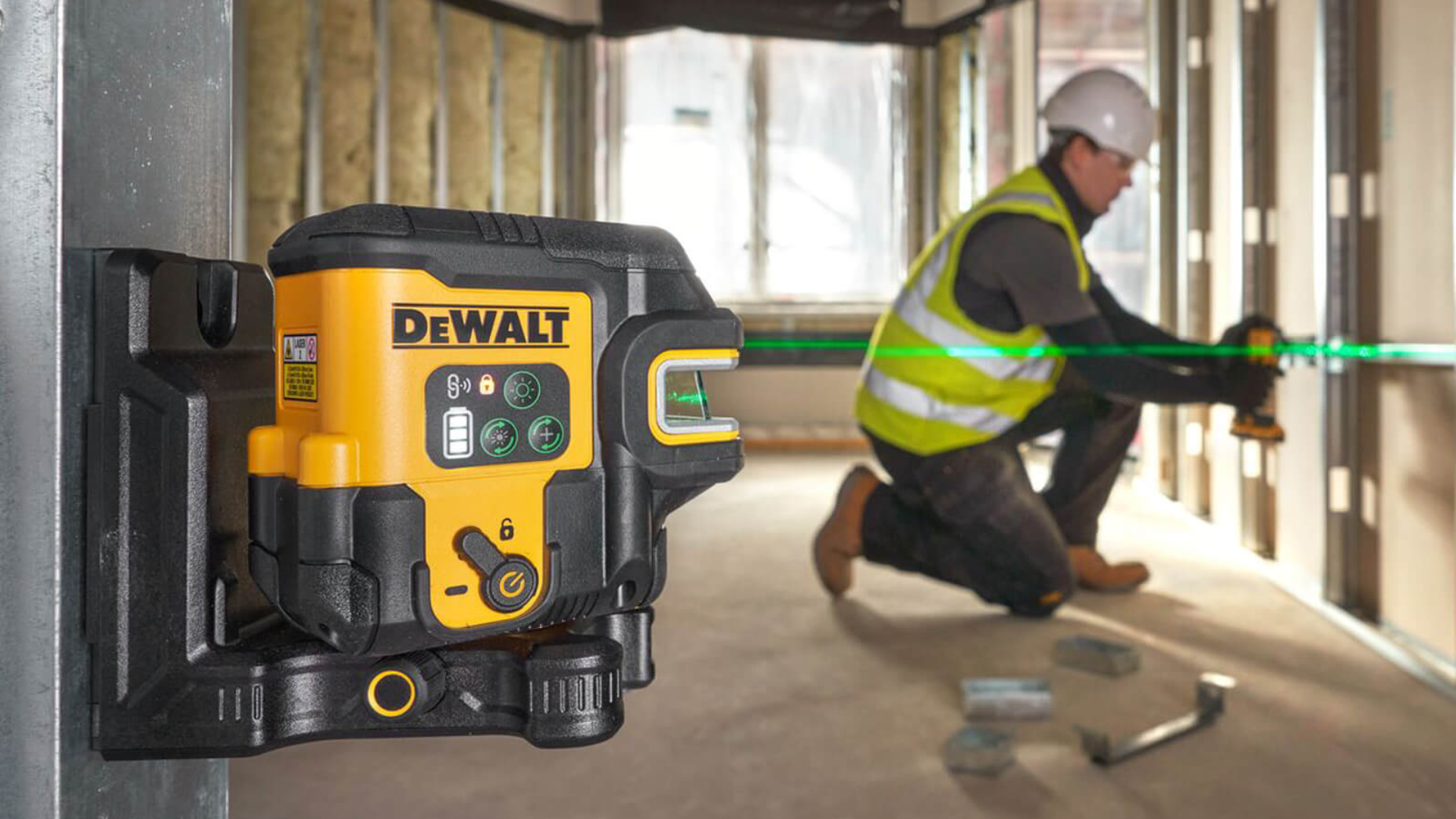
When Trade Lasers Make Sense Power tool lasers are often the right choice for: Internal Fit-Out Work Short distances and visual alignment tasks suit them well.
Residential Projects Extensions, kitchens, flooring, and partitions often don’t require survey-grade precision.
Fast Moving Trades Compact size and quick setup are major advantages.
Budget-Conscious Small Contractors Not every project justifies high-end survey equipment.
Used correctly, they can deliver excellent results. |
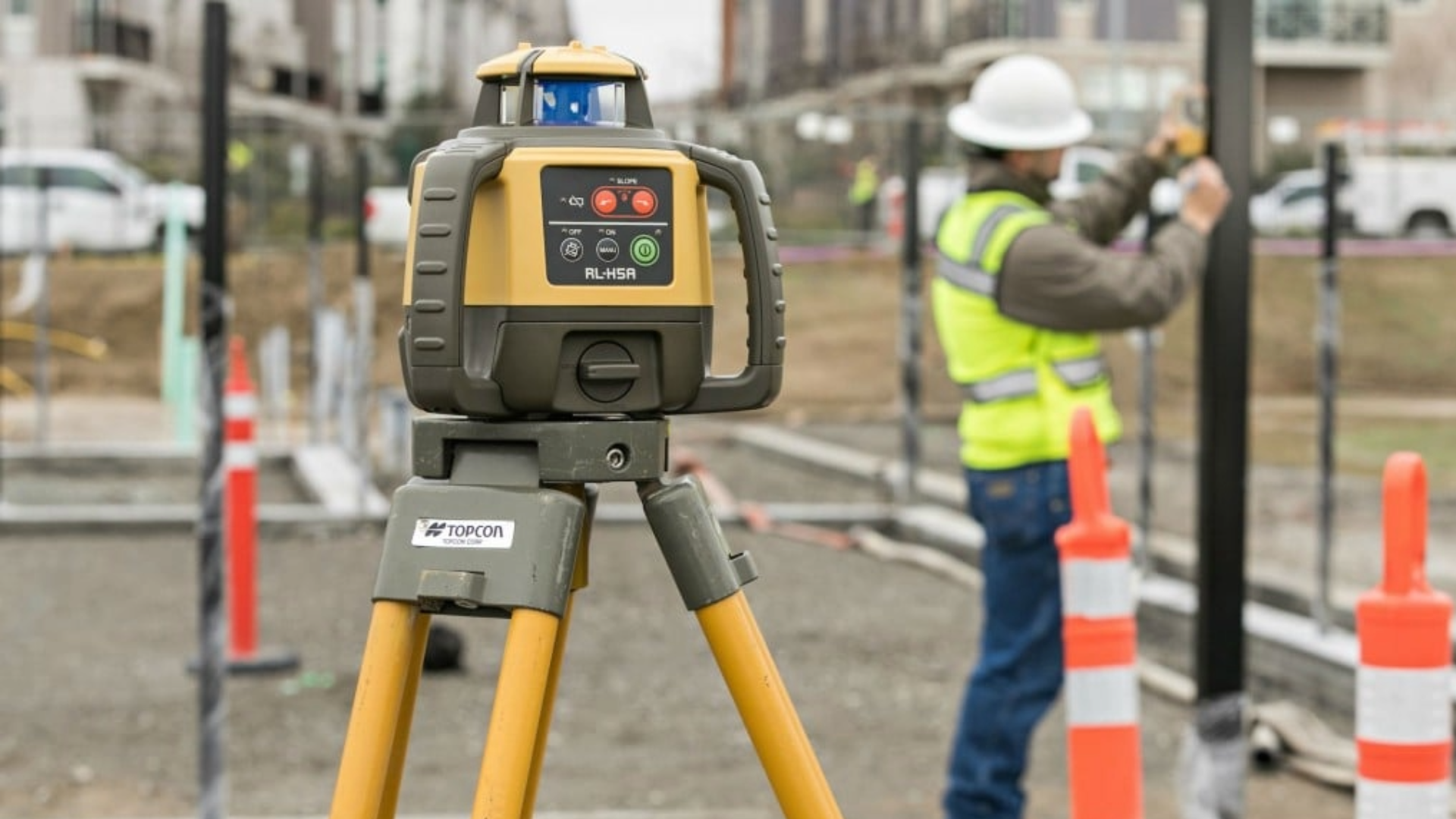
When Professional Survey Lasers Are Worth It
Large External Areas Range and stability matter outdoors.
Drainage and Groundworks Small level errors can create major problems later. Multi-Storey Coordination Datum control becomes critical across floors.
Concrete and Steel Structures Tolerance management is far less forgiving.
Consultant Verification Professional equipment supports QA confidence and traceability.
High Rework Risk Where mistakes are expensive, accuracy becomes cheaper than correction. |
General Rule of Thumb: 👍
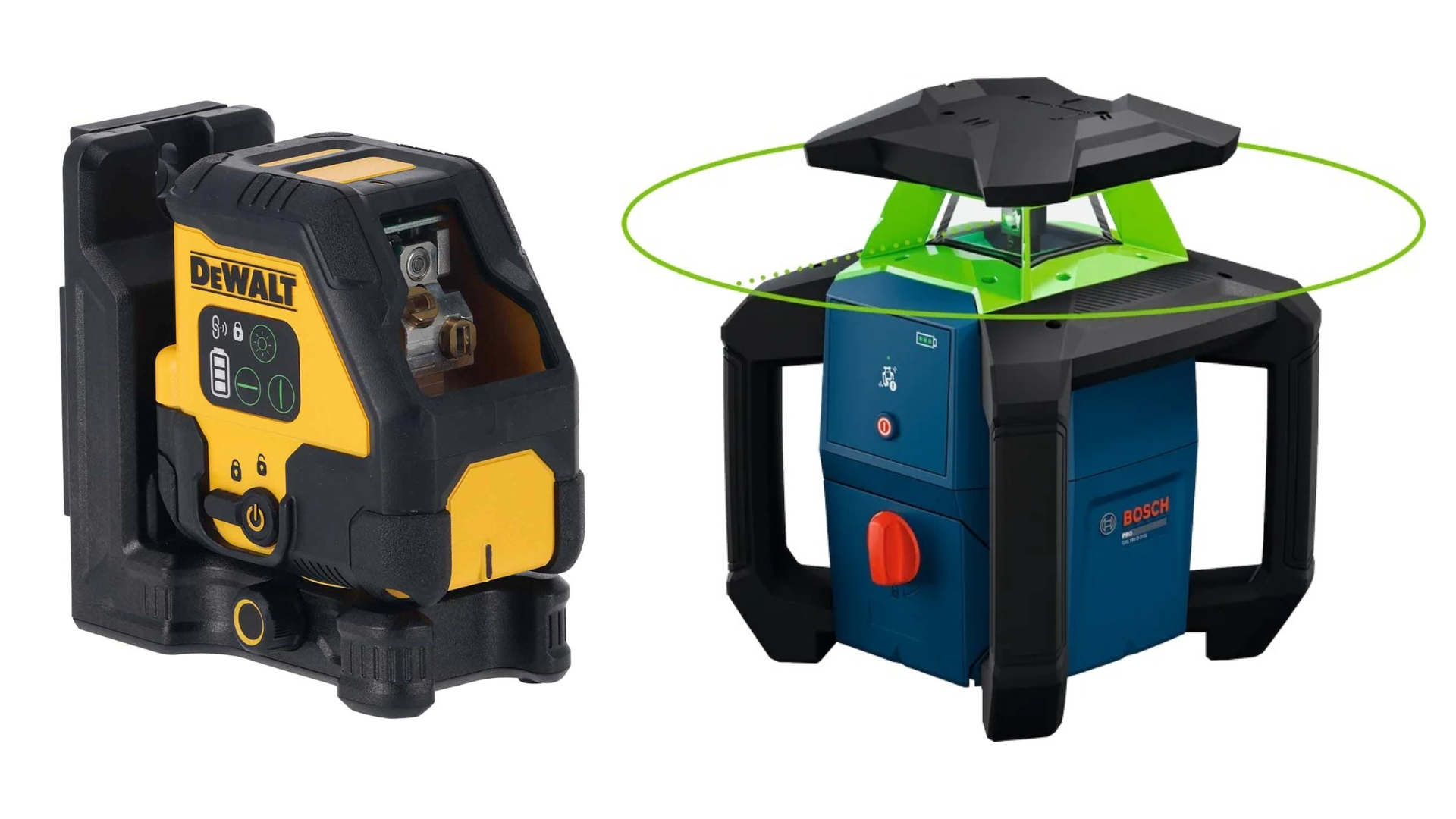
Domestic Applications/Trades - Use Power Tool Lasers
Professional Contractors - Use Professional Survey Lasers
Disclaimer: The views expressed in this article are based on our own practical observations and experience working with laser equipment on construction projects. Equipment performance may vary depending on the model, calibration status, site conditions, and intended application. Readers should verify specifications with manufacturers and assess suitability for their own project requirements.